



3 Waterfront Cities That Were Built by Trade
- Discover Live
- 6 days ago
- 4 min read

Some cities are shaped by kings. Others by armies.
But some of the world’s most fascinating places were shaped by water.
Rivers, canals, harbors, and sea routes turned certain cities into centers of trade, migration, craft, and culture. Ships arrived carrying goods from distant places.
Merchants built homes and warehouses. Markets grew. Neighborhoods changed. And over time, the waterfront became more than scenery.
It became the reason the city existed.
The 3 Waterfront Cities, Amsterdam, Porto, and Gdańsk each tell a different version of that story.
The Canal City That Helped Connect the World

Source: Canva.com
Amsterdam is famous for its canals, but they were never just decorative.
The city’s waterways were once the working heart of a powerful trading center. During the Dutch Golden Age, Amsterdam became one of Europe’s most important ports, with ships bringing spices, textiles, grain, timber, and other goods from around the world.
The canals helped move products, people, and ideas through the city. Warehouses lined the water. Merchants built narrow homes with tall facades. Bridges connected neighborhoods. The entire city seemed to grow around movement.
Even today, walking along Amsterdam’s canals feels like stepping into that past.
The water reflects rows of historic houses. Boats glide under old stone bridges. Streets follow the curves of the canals, reminding visitors that Amsterdam’s beauty was born from practicality.
It is graceful now, but it was built to work.
That is part of what makes Amsterdam so memorable. Its charm is not separate from its history. The canals, homes, bridges, and waterfront buildings all tell the story of a city that became a global crossroads.
The River City Built on Wine and Trade
Source: Canva.com
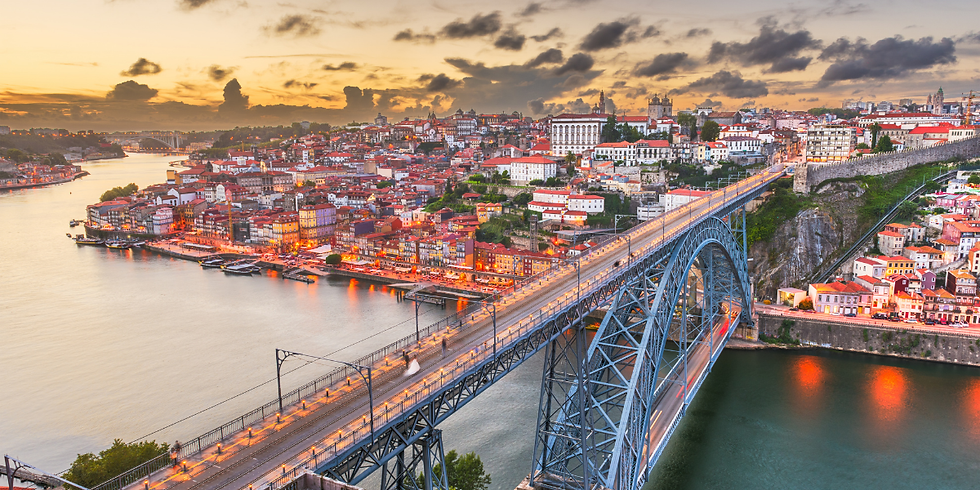
Porto rises along the Douro River, with colorful buildings stacked above the water and boats drifting beneath its bridges.
For centuries, this river helped shape the city’s identity.
Porto became closely tied to the wine trade, especially port wine, which traveled from the Douro Valley to the city and then out to the world. Across the river in Vila Nova de Gaia, wine lodges stored and aged barrels before they were shipped abroad.
The riverfront still carries that legacy.
In the Ribeira district, narrow streets lead down toward the water. Old buildings, lively cafés, stone walls, and views of the Dom Luís I Bridge create one of Portugal’s most atmospheric cityscapes.
But Porto is more than a pretty riverside city.
It is a place where trade, craft, and daily life have long met at the water’s edge. The Douro connected inland vineyards to Atlantic routes, turning local tradition into an international story.
Walk through Porto today, and that history is still easy to feel. It is in the warehouses, the boats, the steep streets, the tiled churches, and the river that continues to carry the city’s character.
The Baltic Port With a Story Bigger Than Its Streets

Source: Canva.com
On Poland’s Baltic coast, Gdańsk has always looked outward.
Its position on the sea made it one of the most important port cities in northern Europe. For centuries, it was a center of trade, especially in grain, timber, amber, and shipbuilding.
The city’s waterfront tells that story clearly.
Along the Motława River, historic merchant houses stand beside old gates and cranes. The famous medieval crane of Gdańsk remains one of the city’s most recognizable symbols, a reminder of the time when cargo moved through the harbor and trade helped define the city’s wealth and power.
Gdańsk’s architecture reflects its connections too.
Its colorful facades, grand townhouses, and maritime atmosphere show the influence of trade networks that stretched across the Baltic and beyond. It feels Polish, but also distinctly shaped by centuries of international exchange.
Gdańsk is not only a city of commerce. It is also a city of resilience.
Its history includes war, rebuilding, and the modern fight for freedom connected to the Solidarity movement. That gives the city a deeper emotional weight. The waterfront is beautiful, but it is also a place where history feels close.
Like Amsterdam and Porto, Gdańsk proves that water can shape more than a skyline.
Three Cities, One Powerful Story
Amsterdam, Porto, and Gdańsk are very different places, but they share one powerful thread.
Each city grew because of its connection to water.
Canals carried goods through Amsterdam. The Douro River helped Porto share its wine with the world. The Baltic Sea turned Gdańsk into a gateway for trade, craft, and movement.
These cities remind us that history often begins at the water’s edge.
It arrives by ship. It moves through markets. It changes the streets. And centuries later, you can still see it in the buildings, bridges, waterfronts, and neighborhoods that remain.
A Simple Way to Experience Them From Home
Discover Live offers private, live, interactive walking tours of places like Amsterdam, Porto, and Gdańsk, led by expert local guides. In just one hour, you can explore historic streets, waterfront landmarks, and the stories that shaped some of the world’s most remarkable cities.
Experience live virtual travel here:https://www.discover.live/older-adults
A World That Belongs to Everyone
Eight years ago, Discover Live made a promise: the world belongs to everyone.
Not just those who can travel easily. Not just those with the time, health, or logistics. Everyone.
Something new is coming in 2026 that takes this promise even further.
Be first. Join the waitlist and step into a new way of experiencing the world.


Comments